Sustainable Healthy Cooking Practices and Methods
Master the art of eco-conscious meal preparation and transform your kitchen into a wellness hub. Discover proven techniques that benefit both your health and the planet.
The information on this site is for educational purposes only and does not constitute medical advice. Always consult a qualified healthcare professional before making health decisions.
Why Choose Sustainable Cooking
Environmental Responsibility
Reduce your carbon footprint by choosing locally sourced ingredients, minimizing food waste, and supporting sustainable farming practices that protect ecosystems for future generations.
Nutritional Excellence
Fresh, whole ingredients prepared with care deliver superior nutrition. Sustainable cooking emphasizes whole foods, seasonal produce, and time-tested techniques that preserve nutrients and flavor naturally.
Energy Efficiency
Learn cooking methods that minimize energy consumption without compromising taste or nutrition. From batch cooking to strategic meal planning, sustainable kitchens run smarter and leaner.
Sustainable Cooking in Action
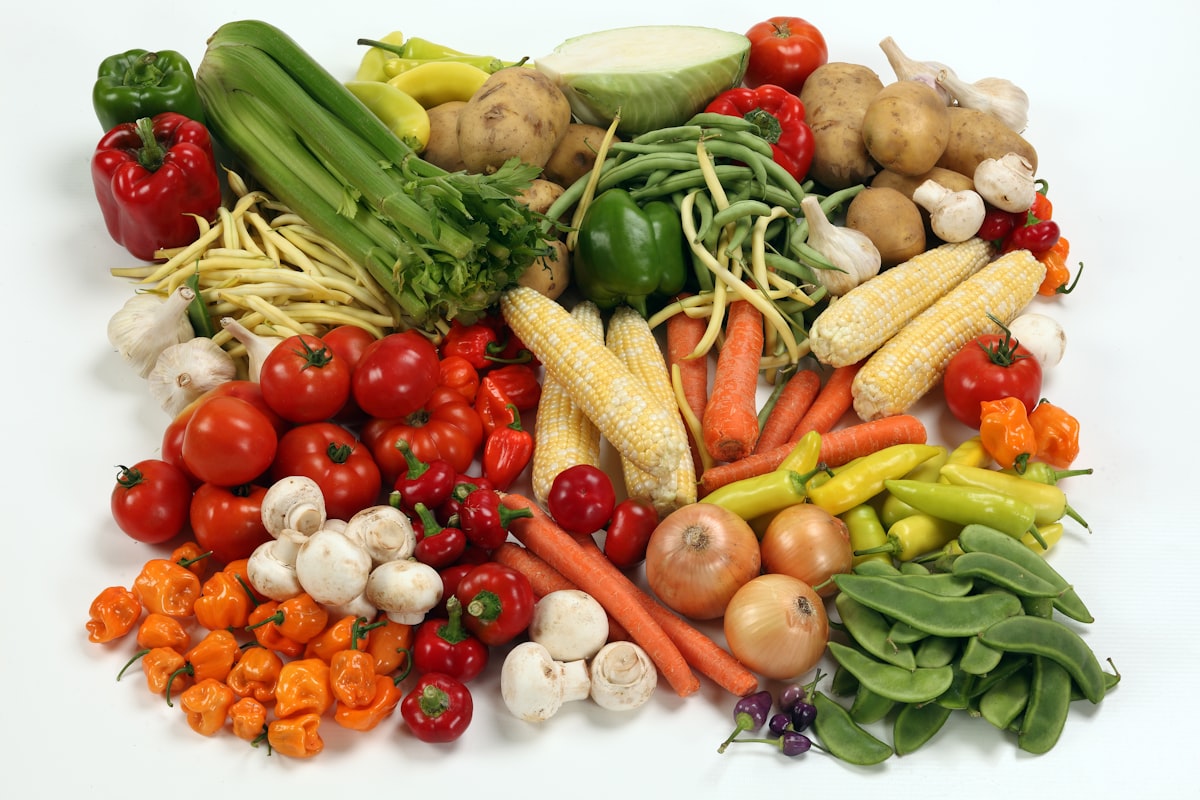
Seasonal Ingredient Selection
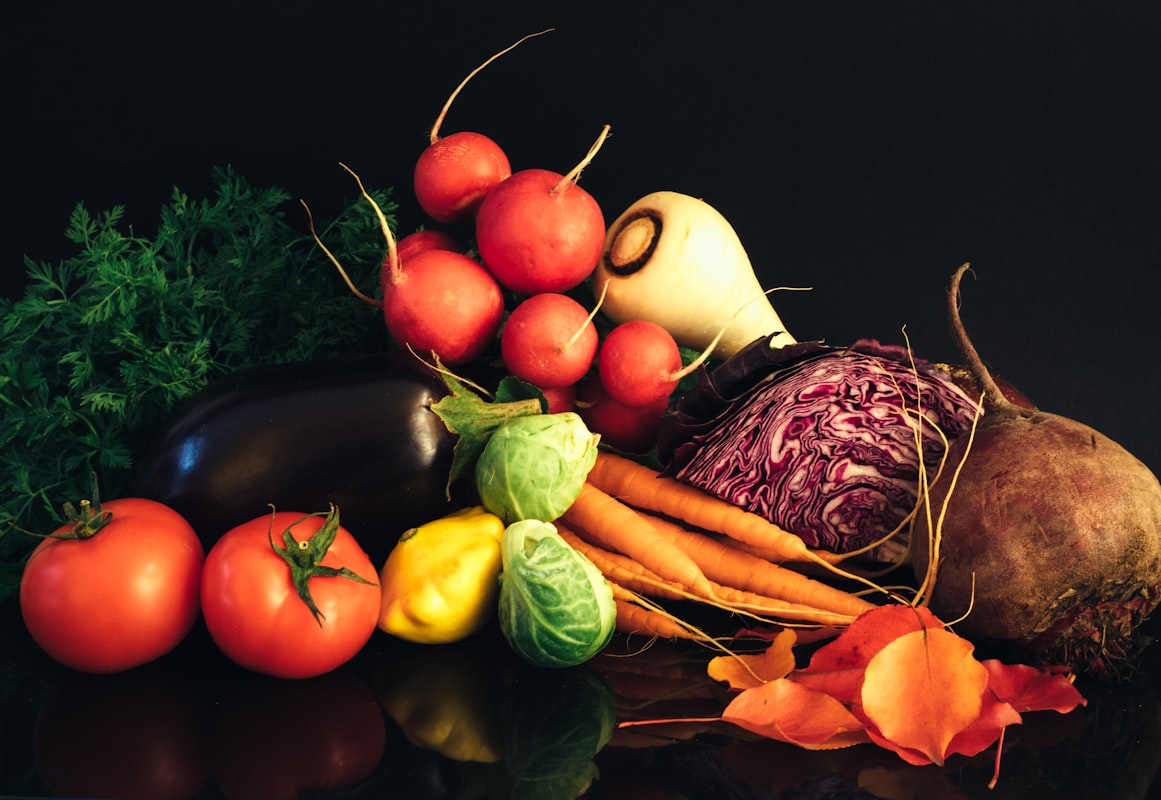
Choose produce at peak ripeness to maximize flavor, nutrition, and minimize transportation impact. Learn which vegetables and fruits thrive in each season.
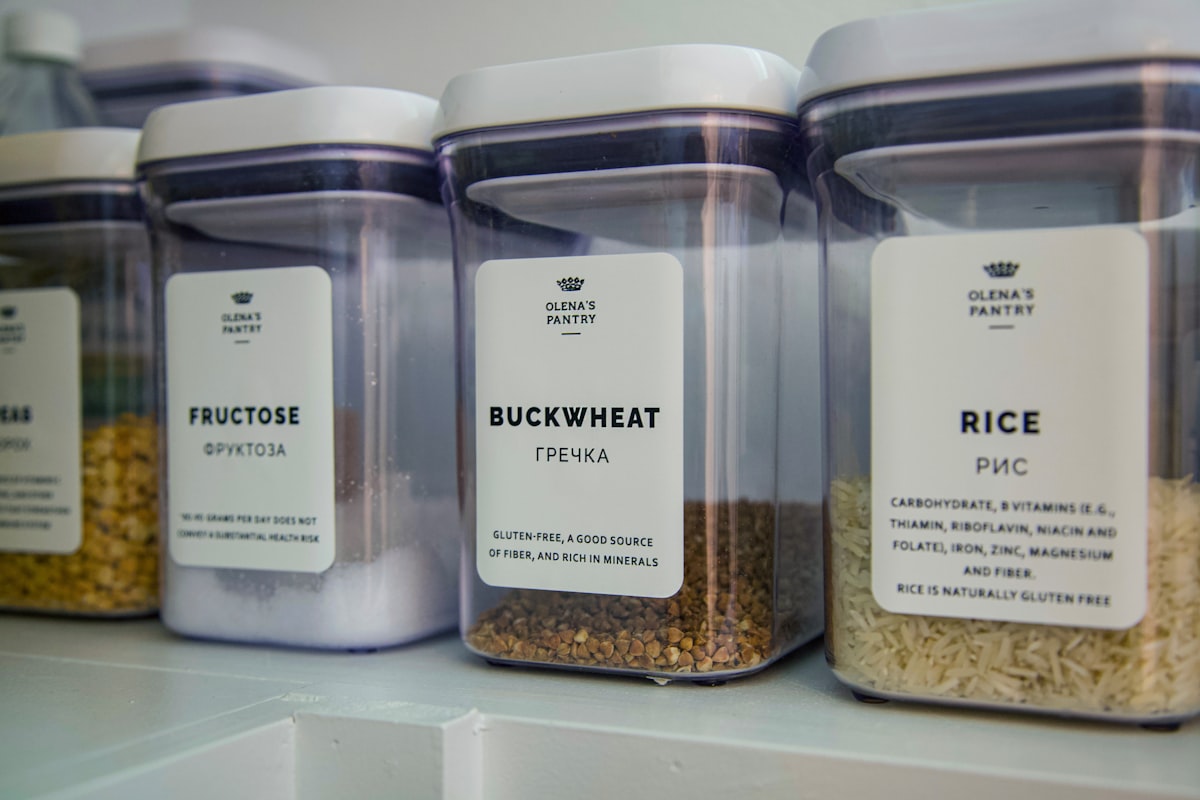
Batch Cooking Strategy
Prepare multiple meals at once to reduce energy use and save time. Master batch cooking methods that preserve quality and freshness throughout the week.
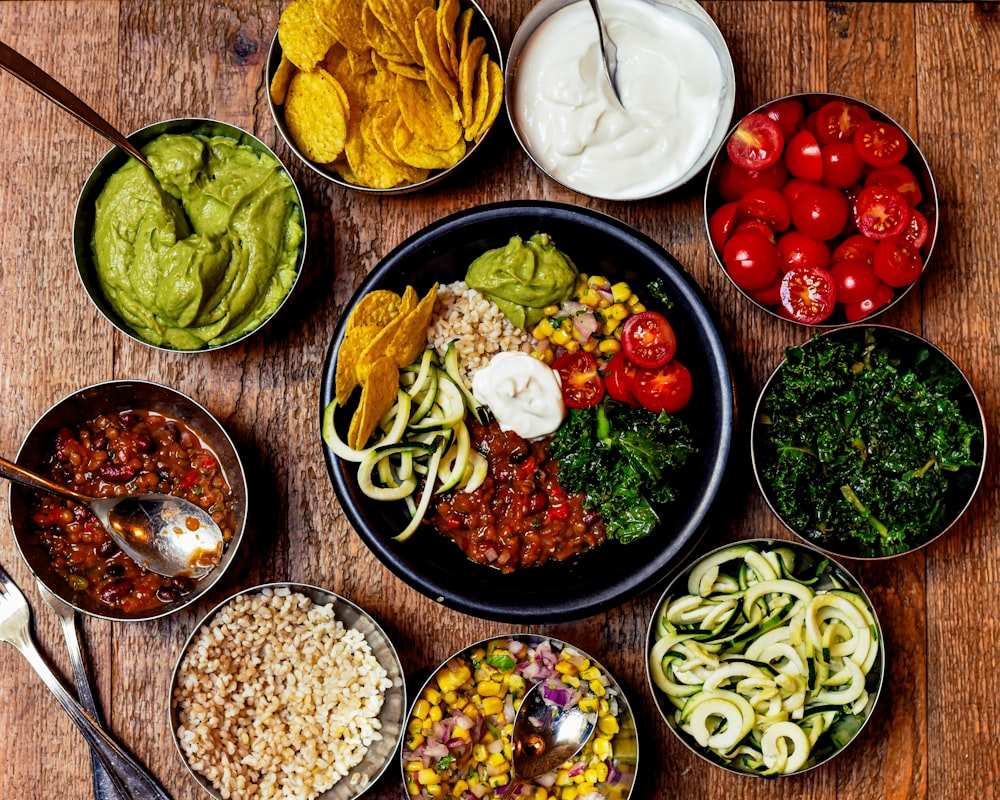
Zero Waste Kitchen
Eliminate food waste by using every part of ingredients. From vegetable scraps to herb stems, discover creative techniques for complete utilization.
Water Conservation
Master cooking techniques that minimize water consumption without sacrificing quality. From steaming to pressure cooking, learn efficient hydration methods.
Clean Oil Practices
Choose sustainable oils and understand proper heating techniques. Learn which oils are best for different cooking methods and how to store them correctly.

Community Connection
Connect with local farmers, food co-ops, and sustainability networks. Build relationships that support both your kitchen and your community's environmental goals.
Five Steps to Eco-Conscious Meal Preparation
Plan Your Meals Strategically
Begin each week by assessing seasonal ingredients available locally. Create a menu that uses whole ingredients efficiently, minimizing overlap waste and maximizing nutritional variety across your meals.
Source Sustainably
Shop at farmers markets, join community-supported agriculture programs, or partner with local suppliers. Direct sourcing reduces transportation emissions while supporting sustainable agricultural practices in your region.
Master Efficient Cooking Techniques
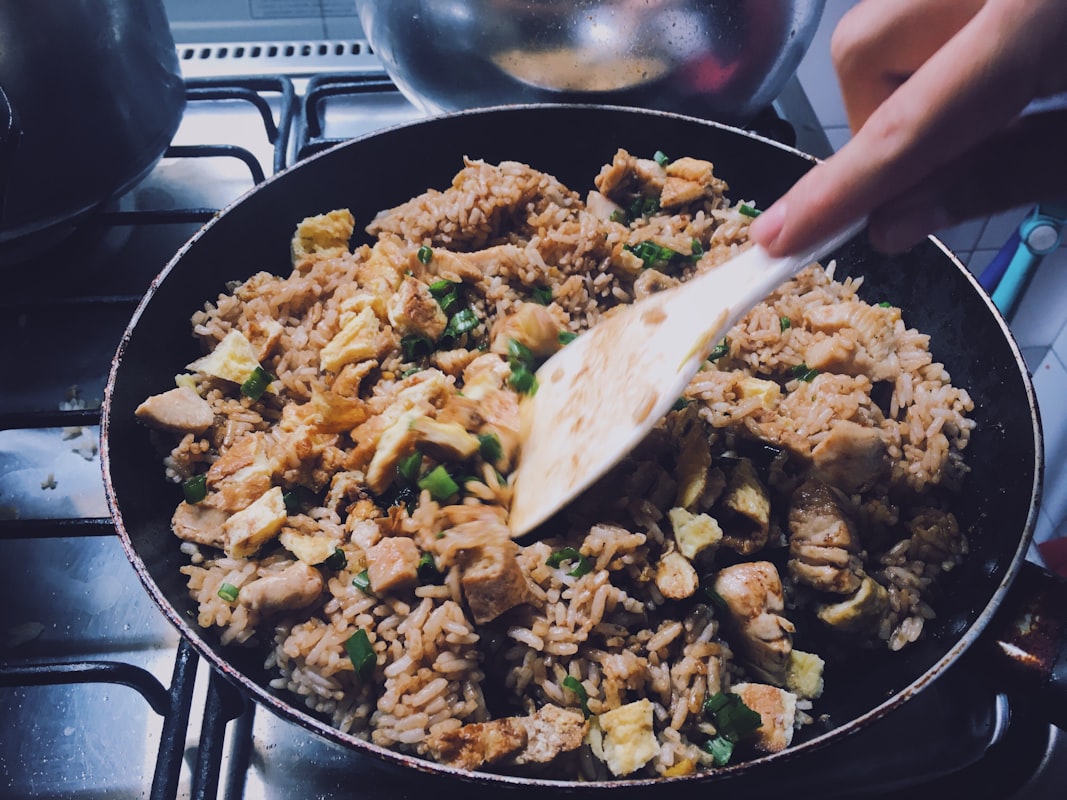
Learn methods like steaming, pressure cooking, and one-pot meals that reduce energy consumption. Understand proper heat settings, batch cooking schedules, and equipment optimization for maximum efficiency.
Implement Zero Waste Practices
Use every part of your ingredients creatively. Save vegetable scraps for stocks, repurpose herb stems for teas, and compost organic matter. This maximizes nutrition extraction while eliminating unnecessary landfill waste.
Document and Refine
Track your cooking practices and environmental impact. Keep notes on which techniques work best for your household, adjust portions based on consumption patterns, and continuously improve your sustainable cooking routine.
Frequently Asked Questions
Sustainable cooking integrates environmental responsibility with nutritional health. It focuses on sourcing local and seasonal ingredients, minimizing waste, reducing energy consumption, and supporting ethical farming practices. This approach benefits your personal health while reducing your ecological footprint and supporting community agricultural systems.
Hungary has a rich tradition of farmer markets and direct-to-consumer agricultural programs. Visit weekly markets in Szeged and other cities where local farmers sell seasonal produce. Join community-supported agriculture (CSA) programs, partner with local cooperatives, or connect with farm suppliers who deliver fresh ingredients to your doorstep. These channels provide superior quality while supporting regional sustainability.
Pressure cooking, steaming, and one-pot meals significantly reduce energy consumption compared to conventional boiling. Batch cooking multiple meals simultaneously maximizes efficiency. Using residual heat, covering pots, and choosing appropriately sized cookware also matter. Microwave and slow cooker methods can be efficient for specific dishes, while minimizing oven use in favor of stovetop cooking reduces overall energy demand.
Start with careful meal planning and portion awareness. Use vegetable scraps for homemade stocks, repurpose herb stems for infusions, and preserve surplus produce through freezing, fermentation, or pickling. Create a composting system for unavoidable organic matter. Store ingredients properly to extend freshness, and get creative with recipes that use whole vegetables—including stems, leaves, and roots that are typically discarded.
Absolutely. Sustainable cooking that emphasizes whole foods, seasonal variety, and proper preparation techniques delivers excellent nutrition. By rotating seasonal ingredients throughout the year and combining plant and animal proteins thoughtfully, you naturally achieve nutritional balance. Fresh, locally-sourced foods often contain higher nutrient density than long-traveled alternatives, supporting comprehensive dietary needs.
Invest in quality, durable cookware that lasts decades—stainless steel and cast iron are excellent choices. A pressure cooker dramatically reduces cooking time and energy use. Sharp knives minimize prep time and waste. A slow cooker enables batch cooking with minimal energy. Proper storage containers extend ingredient freshness. Skip gadgets that serve single purposes; prioritize versatile tools that adapt to varied cooking needs and techniques.
What Our Community Says
A cooking enthusiast shared: "Vitalmindmealcraft transformed how I approach cooking. The practical guidance on seasonal ingredients made meal planning effortless, and I've reduced my kitchen waste by nearly eighty percent. My family notices the improved flavors in our meals, and knowing I'm supporting local farmers makes every meal feel meaningful."
Márta Kovács
Szeged, Hungary
"The energy-efficient cooking techniques literally lowered my utility bills while improving food quality. I especially appreciate the detailed explanations of zero-waste practices. What impressed me most was how sustainable cooking isn't about deprivation—it's about abundance and doing things right. Highly recommend for anyone serious about their impact."
János Kertész
Budapest, Hungary
"As someone new to sustainable cooking, I was nervous about making changes. The step-by-step guidance made everything accessible. I've connected with local farmers through the recommendations, started a small composting system, and my cooking confidence has grown tremendously. The resources here are genuinely valuable and expertly presented."
Éva Szász
Debrecen, Hungary
"I've transformed my kitchen with Vitalmindmealcraft's methods. Batch cooking on Sundays saves me hours during the week, the water conservation tips are practical, and I love that everything connects to both health and environmental responsibility. This isn't just about cooking—it's about building a better relationship with food and the planet."
Péter Molnár
Pécs, Hungary
Ready to Transform Your Kitchen?
Join a growing community embracing sustainable cooking practices. Access detailed recipes, expert guidance, and resources to build your eco-conscious kitchen today.